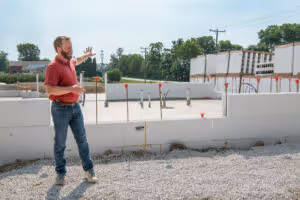
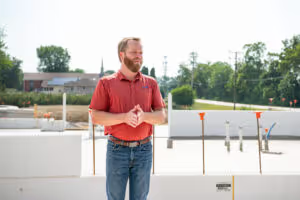
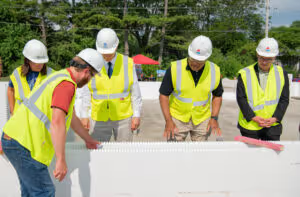
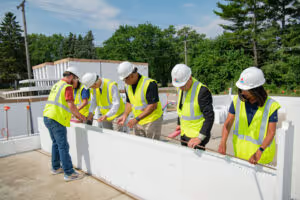
As natural disasters grow increasingly frequent and severe, communities in tornado-prone regions feel the urgency of resilient design more than ever. A tornado proof building is no longer a luxury—it’s a necessity. Tornadoes can devastate entire towns in seconds with winds over 200 mph, leaving behind widespread destruction. By leveraging innovative design strategies and advanced materials like insulated concrete forms (ICFs), architects, engineers, and homeowners can create structures that not only survive storms but safeguard lives.
Beyond immediate destruction, tornadoes cause huge long-term economic costs and psychological trauma for survivors. While forecasting technology saves lives with timely warnings, predicting a tornado does not stop it. That’s why the focus must shift from reaction to resilient design. When communities embrace tornado proof building practices, they not only reduce loss and suffering but also accelerate recovery after storms.
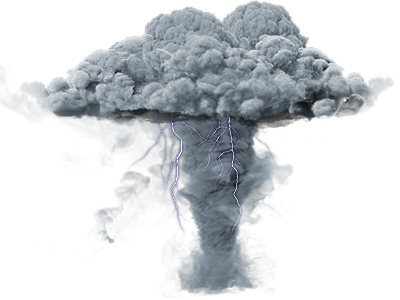
A tornado proof building follows design rules that ensure every element—from the roof to the foundation—works together as a unified system to resist wind and debris. Essential features include:
When these elements work together, buildings are dramatically more capable of enduring EF4 and EF5 tornado conditions.

The materials chosen are just as important as design. Conventional wood framing simply cannot provide enough strength under tornadic stress. More resilient alternatives include:
These materials not only create a tornado proof building but often pay off with reduced insurance premiums and long-term energy savings—especially when ICF construction is used.
Smart architecture is essential to tornado resistance. Features such as:
Each of these design choices helps transform an ordinary home into a tornado proof building that prioritizes occupant safety.
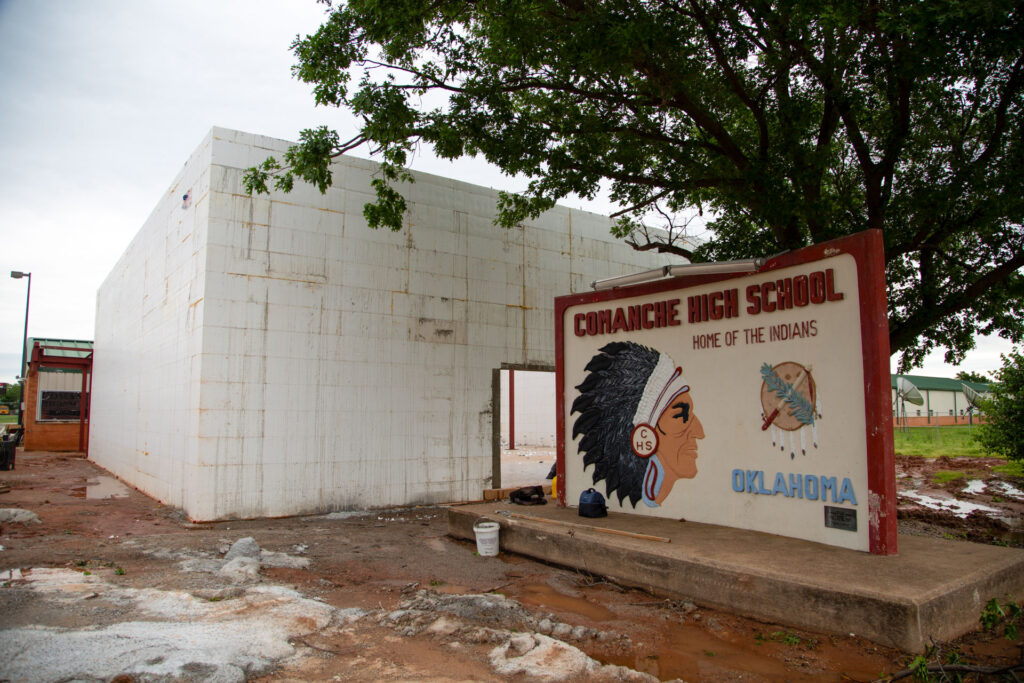
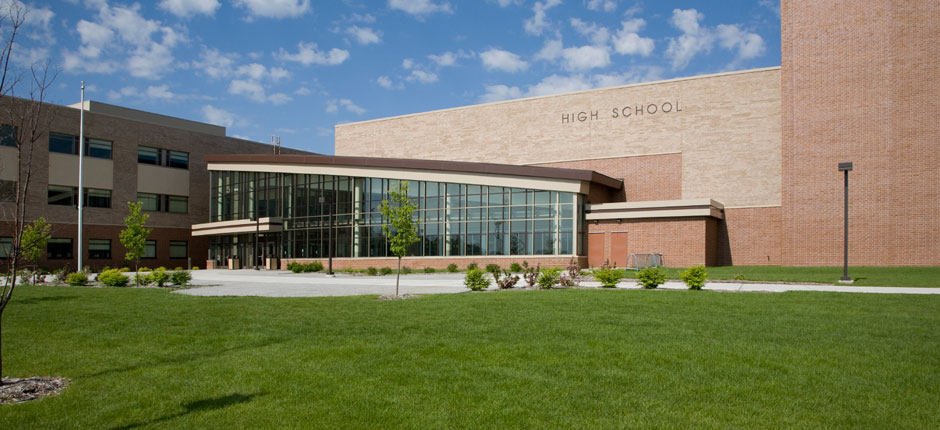
After the 2013 EF5 tornado devastated Moore, Oklahoma, the school district rebuilt classrooms with insulated concrete forms and reinforced safe rooms. The resulting schools can now withstand winds over 250 mph, ensuring that children and staff are protected during future storms.
When an EF5 tornado destroyed 95% of Greensburg in 2007, the community decided not just to rebuild but to rebuild better. Almost every new commercial building, from Dylan’s Supermarket to the award-winning Kiowa County Commons, utilized ICFs for endurance and sustainability. Today, Greensburg stands as one of the premier examples of how tornado proof building strategies create both resilience and long-term economic benefits.
Following a tornado that destroyed its water filtration plant in 2012, the town chose BuildBlock ICFs for reconstruction. This upgrade ensures the facility will remain functional during future high-wind disasters while also improving energy efficiency.
These stories highlight a pattern: insulated concrete forms consistently produce tornado proof buildings capable of withstanding storms that level conventional construction.
Resilient design does not stop at the individual building. Tornado proof buildings must be supported by:
Together, these measures protect not just individual homes but entire neighborhoods.
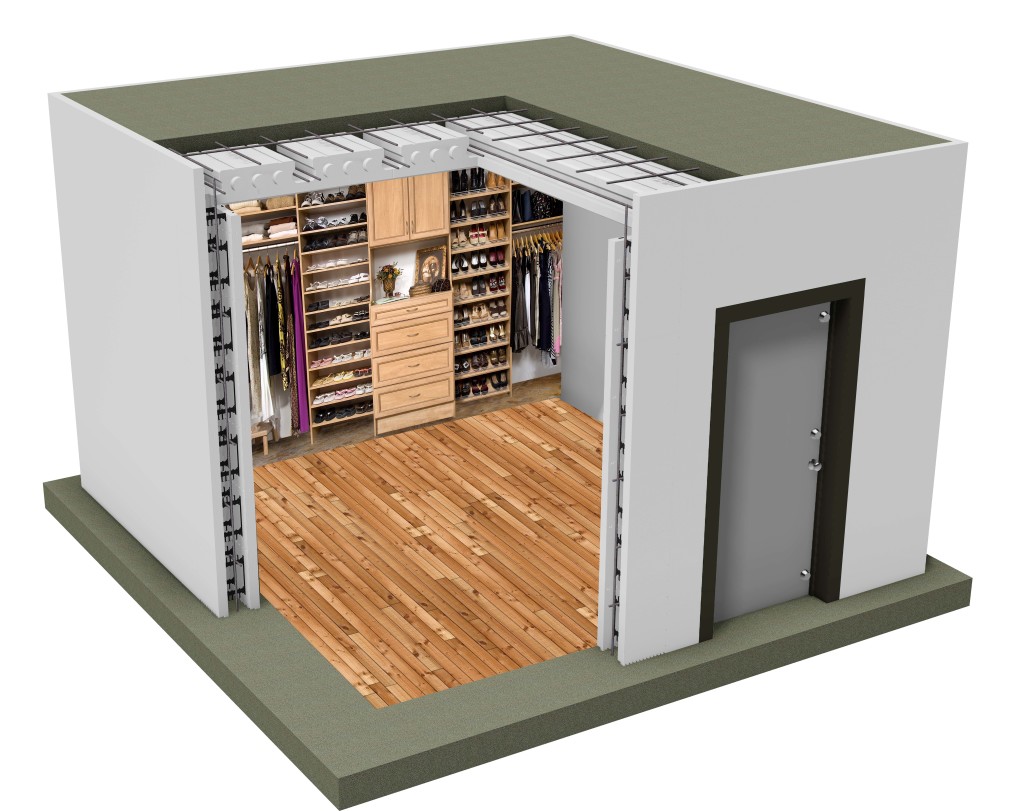
Even the strongest tornado proof building benefits from emergency planning: well-equipped storm kits, tested response drills, and clear communication between local agencies and families. Buildings create safety—but preparedness ensures survival when every minute counts.
There is a clear lesson from decades of deadly tornadoes: standard construction is not enough. Communities that adopt tornado proof building standards—especially those utilizing insulated concrete forms (ICFs)—are consistently saving lives, reducing economic loss, and building back stronger.
Investing in resilience isn’t just about withstanding the next storm—it’s about ensuring homes, schools, and communities remain standing for generations. By combining smart design, durable materials, and proactive planning, we can create a safer, more secure future in the face of nature’s most extreme forces.