Construction has traditionally been measured by what happens on site. Labour, weather, sequencing and programme are often viewed as challenges that need to be managed once construction is underway.
But that’s only part of the picture.
More of the construction process now happens before materials ever reach site, changing how projects are planned, delivered and evaluated.
“Programme certainty comes from removing unknowns.” Paul Conway
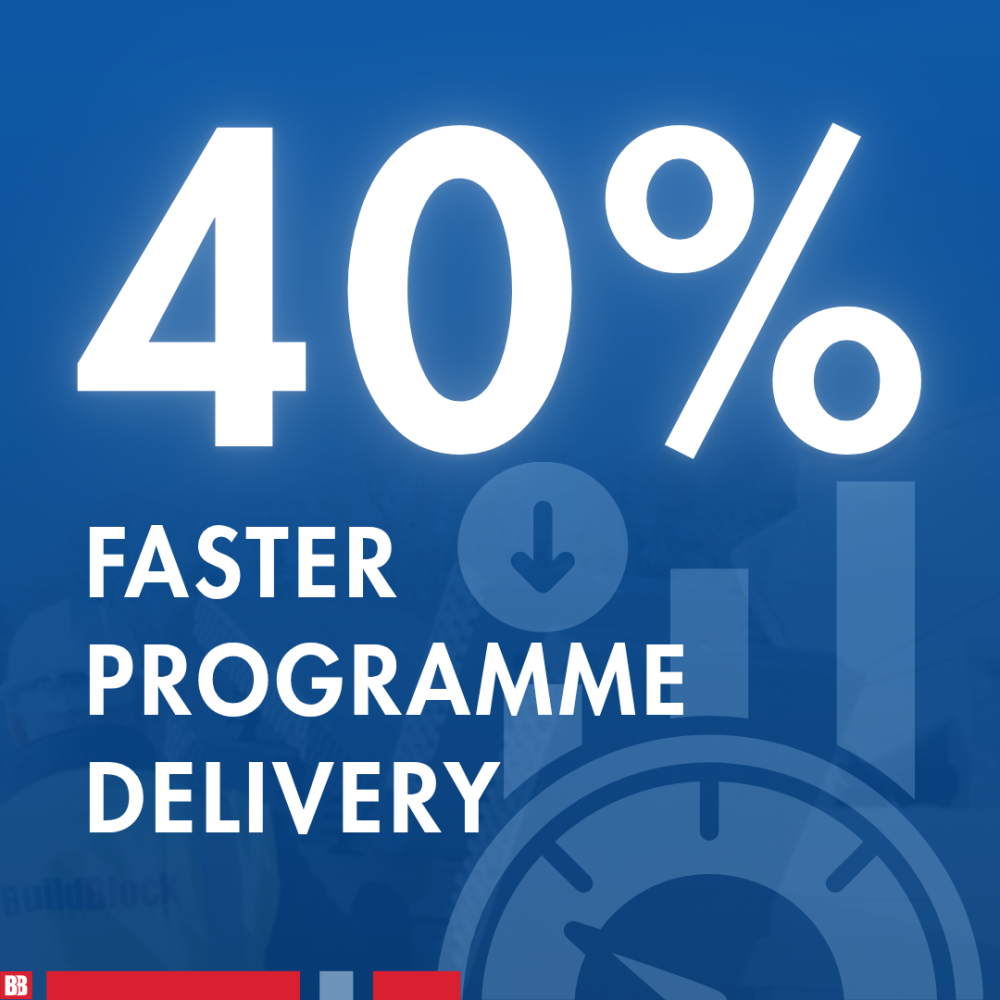
One programme comparison illustrates the difference that approach can make. Comparing a traditional build with an ICF solution on a 50-home residential development indicated an overall programme reduction of approximately 25 weeks, representing a 40% reduction in construction time.
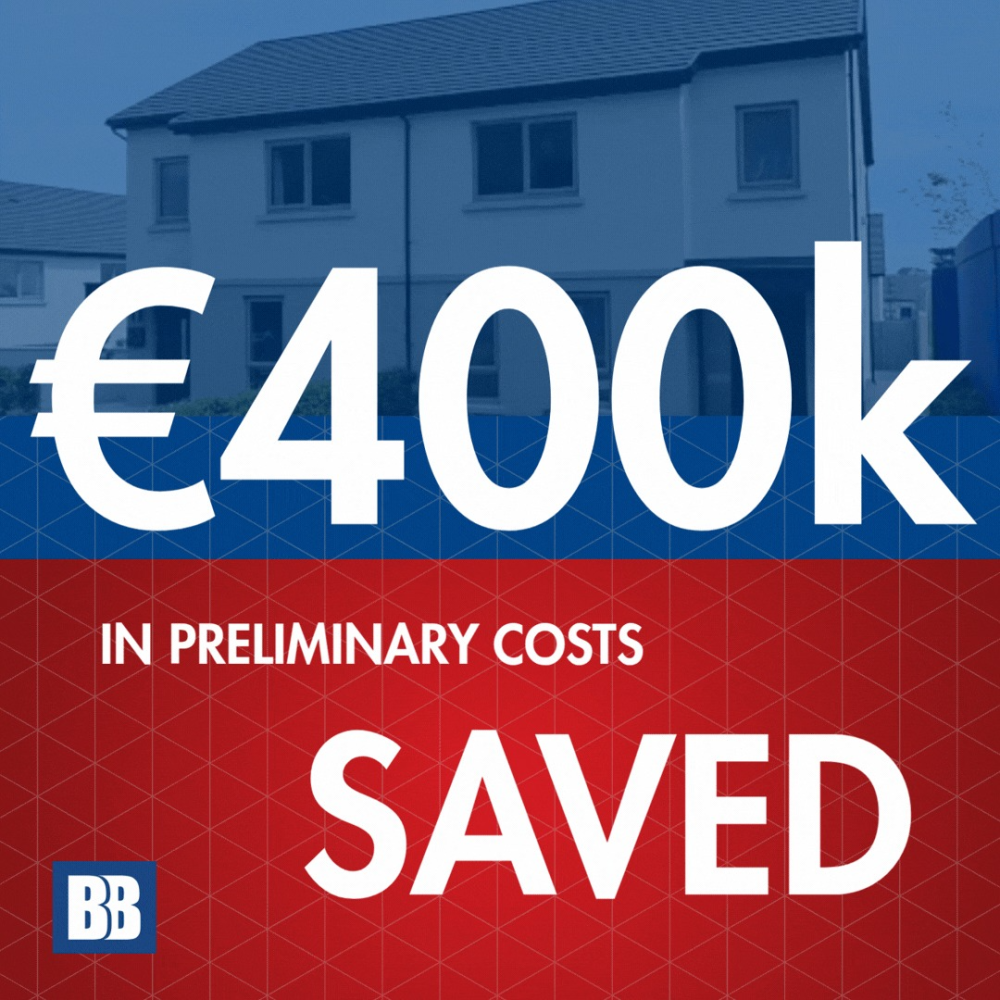
Based on preliminary costs of approximately €16,000 per week, that equated to around €400,000 in potential preliminaries savings. The comparison also estimated approximately 13,125 fewer labour hours on site, around 6,250 litres less diesel consumption, and a 42% reduction in health and safety incidents and near misses. Earlier completion allowed homes to reach the market sooner, reducing finance costs while improving overall project productivity.
What changed?.
Traditionally, building an external wall involves a series of separate activities carried out on site. The structure is built, insulation is installed, formwork is removed, airtightness is addressed and each stage relies on the previous stage being completed correctly before work can continue.
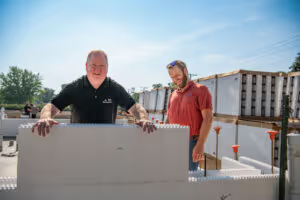
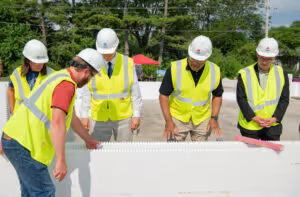
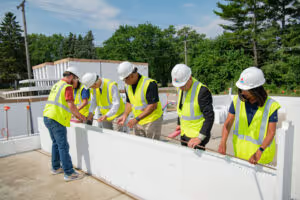
ICF reduces the number of stages.. The wall structure, insulation and permanent formwork arrive as part of one system, meaning more of the work has already been completed before materials reach site.
Fewer trades are required to deliver the external wall. Site teams spend less time waiting for one activity to finish before another can begin, and less time correcting issues that naturally arise when multiple construction stages are carried out independently.
“A significant part of what happens on site is influenced by workmanship. By moving more of that work into a controlled environment, we can create greater consistency and reduce uncertainty.” Paul Conway
Those differences become increasingly important as developments grow. Every additional trade, delivery and construction stage introduces another activity that needs to be managed throughout the programme. Completing more of the work before materials leave the factory reduces the number of variables that remain once construction starts.
That is why the KPIs for the project included more than a shorter build programme. Earlier completion created commercial benefits through reduced preliminaries, lower finance costs and earlier sales. Fewer labour hours reduced pressure on site teams. Less work carried out on site also contributed to improved health and safety performance and lower fuel consumption.
The wider lesson extends beyond one construction method.
As more of the building process moves into controlled manufacturing environments, the factory becomes part of construction rather than simply part of the supply chain. Manufacturing decisions influence programme, productivity and project delivery long before work reaches site.
If more of a project's outcome is determined before construction begins, perhaps that is where programme certainty should be evaluated.
Learn more at BuildBlock.ie